名称:清张若澄待围图 轴
资源编号:GCSHTB01742
艺术家:张若澄
国家:中国
年代:清代
出处:台北故宫
分类:书画
子类:绘画
类型:馆藏下载
格式:PNG
材质:纸
页码/数量:8幅
收藏位置:国立故宫博物院
文件大小:88.89 MB
压缩格式:rar
下载地址:网盘
专辑系列:台北故宫书画作品
备注说明:中画00017200000
资源截图预览
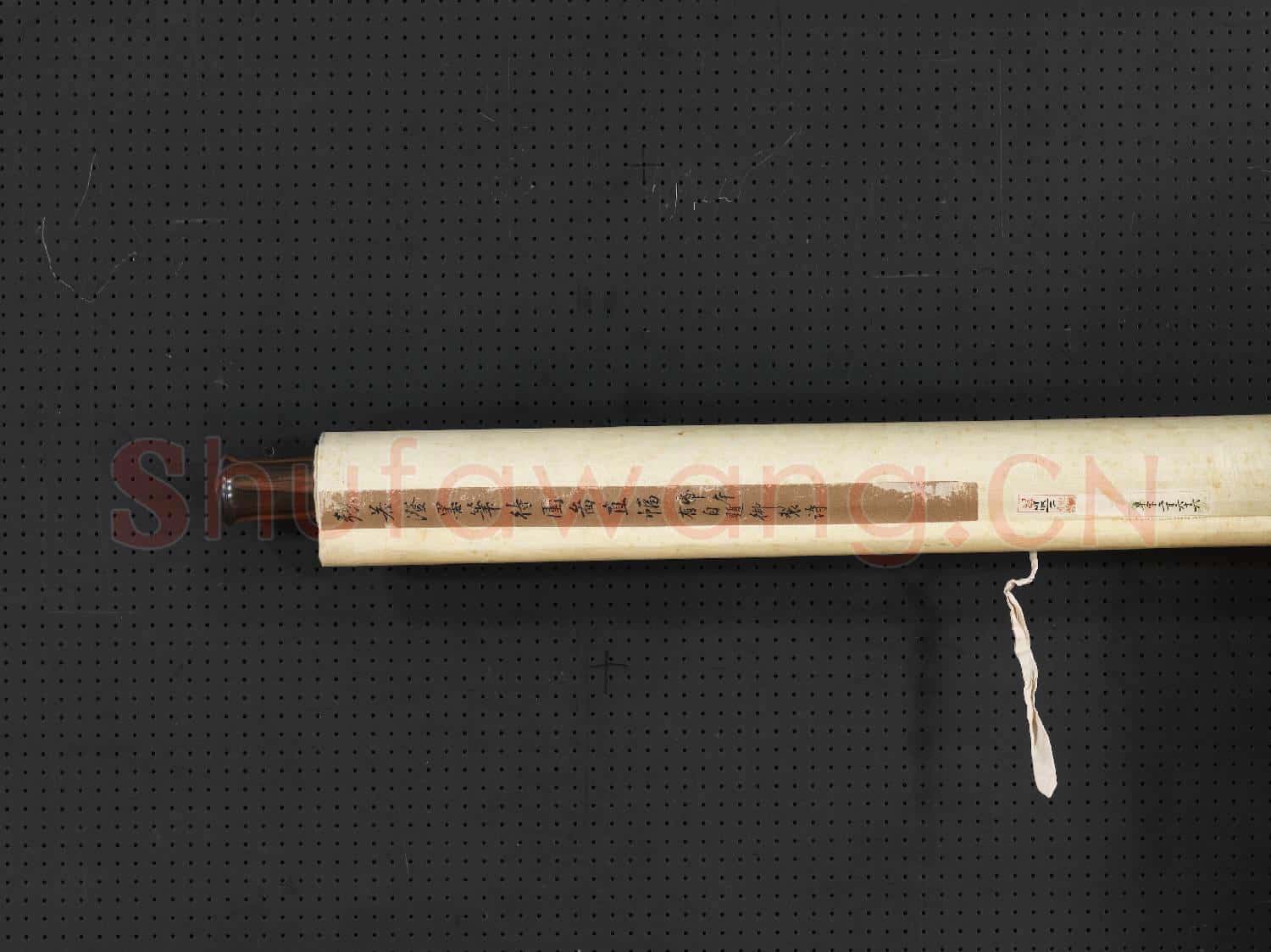
资源编号:GCSHTB01742
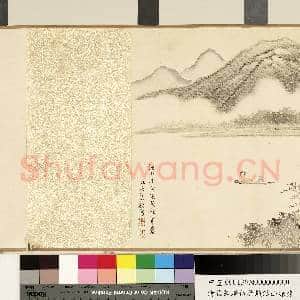
清張若澄待圍圖 軸
清张若澄待围图 轴
詳細資料
藏品類型:繪畫
文物統一編號
中畫000172N000000000
作品號:中畫00017200000
品名:清張若澄待圍圖 軸
分類:繪畫
作者:張若澄
數量:一軸
典藏尺寸
本幅:135x73.4
本幅:93
質地
本幅:紙
| 題跋資料 | |||||
| 題跋類別 | 作者 | 位置 | 款識 | 書體 | 全文 |
作者款識
張若澄
本幅:臣張若澄敬寫並書。
行楷書
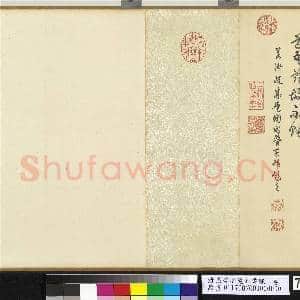
兩旗合帳殿。千騎列雲涯。試看止齊勢。端稱左右宜。彌縫休欲速。磬控尚需時。勒馬平岡待。斐然立就詩。待圍。御製詩。臣張若澄敬寫並書。
印記:臣張若澄、朝朝染翰
題籤
張若澄墨筆待圍圖直幅紙本有自題御製詩。
| 印記資料 | |
| 印記類別 | 印記 |
主題
主要主題
經史‧故事
待圍圖
其他主題
山水
其他主題
山水
溪澗、湍泉
其他主題
山水
煙、霧
其他主題
人物
軍士
其他主題
樹木
其他主題
樹木
松
其他主題
走獸
馬
其他主題
建築
帳篷
其他主題
建築
橋
其他主題
器用
服飾(對人)
帽子。軍裝。
其他主題
器用
兵器
箭。箭筒。弓。
其他主題
花草
草
技法
寫意
皴法
披麻皴
苔點
人物衣紋描法(減筆)
參考資料
收藏著錄:故宮書畫錄(卷八),第四冊,頁181
收藏著錄:故宮書畫圖錄,第十二冊,頁245-246
內容簡介(中文)
清張若澄畫撤圍待圍合圍罷圍
張若澄,字鏡堅,一字鍊雪,若靄之弟,安徽桐城人,乾隆乙丑(一七四五)進士。善山水,並工花鳥。
清高宗沿聖祖之習,每年七、八月間,率滿蒙王公至木蘭(承德市北之圍場縣)行獵。乾隆壬申(一七五二)高宗有行圍四詠,命張若澄圖繪其事。左題分畫四幅:
撤圍,蓋獵前布圍,分路合驅野獸,以便狩獵。
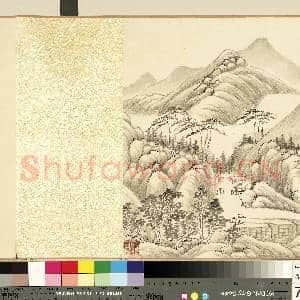
待圍,撤圍既畢,主獵者待禽獸之驅集。
合圍,兩旗既合,禽獸齊集,射飛逐走,以成狩獵。
罷圍,行獵既畢,豐獲而歸。
內容簡介(英文)
Hunting Scenes
Chang Jo-‘eng (fl.1745-1759)
Ch’ing dynasty
Chang Jo-ch’eng tzu Ching-chien, Ching-ho, Lien-hsueh; a native of T’ung-ch’eng, An-hui province, was a younger brother of Chang Jo-ai. He received the chin-shih degree in 1745. A particularily skilled painter of plum blossoms, he was also known as a painter of birds and animals.
During the 7th and 8th lunar months of every year, Ch’ing emperors usually lead the Mongolian and Manchurian princes, nobles, and high officials to Mu-lan (Wei-ch’ang, north of Ch’eng-te, in Jeh-ho province) hunting ground for field sports. The practice was established by the K’ang-hsi Emperor; whose grandson, the Ch’ien-lung Emperor, was a faithful follower. The latter wrote, in the 17th year (1752) of his reign, four poems describing the hunt. These four hanging scrolls by Chang Jo-ch’eng were painted to depict what the poems said.
The first scroll presents the scour: numerous hunters depart into the depth of mountains to drive out wild animals toward the center of the hunting area. The second scroll portrays, in central hunting area, the Emperor and the attendant princes and nobles stand by ready and alert. The third scroll depicts the climax of hectic chase and kill. The fourth scroll closes the event with abundant spoils.