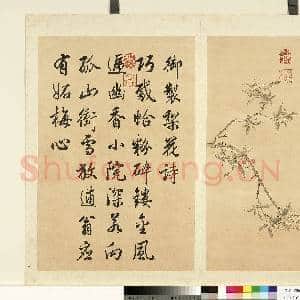
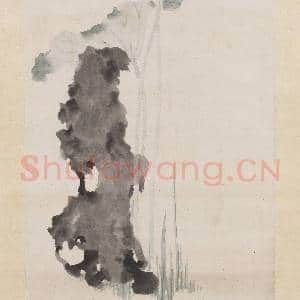
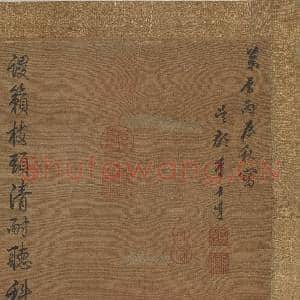
名称:明李士达坐听松风图 轴
资源编号:GCSHTB03400
艺术家:李士达,Li Shida
国家:中国
年代:明神宗万历四十四年(1616)
出处:台北故宫
分类:书画
子类:绘画
类型:馆藏下载
格式:PNG
材质:绢
页码/数量:18幅
收藏位置:国立故宫博物院
文件大小:200.22 MB
压缩格式:rar
下载地址:网盘
专辑系列:台北故宫书画作品
备注说明:故画00060900000
资源截图预览
资源编号:GCSHTB03400
明李士達坐聽松風圖 軸
明李士达坐听松风图 轴
詳細資料
藏品類型:繪畫
文物統一編號
故畫000609N000000000
作品號:故畫00060900000
品名:明李士達坐聽松風圖 軸
分類:繪畫
作者:李士達;Li Shida
創作時間:明神宗萬曆四十四年(1616)
數量:一軸
典藏尺寸
本幅:167.2x99.8
質地
本幅:絹
| 題跋資料 | |||||
| 題跋類別 | 作者 | 位置 | 款識 | 書體 | 全文 |
作者款識
李士達
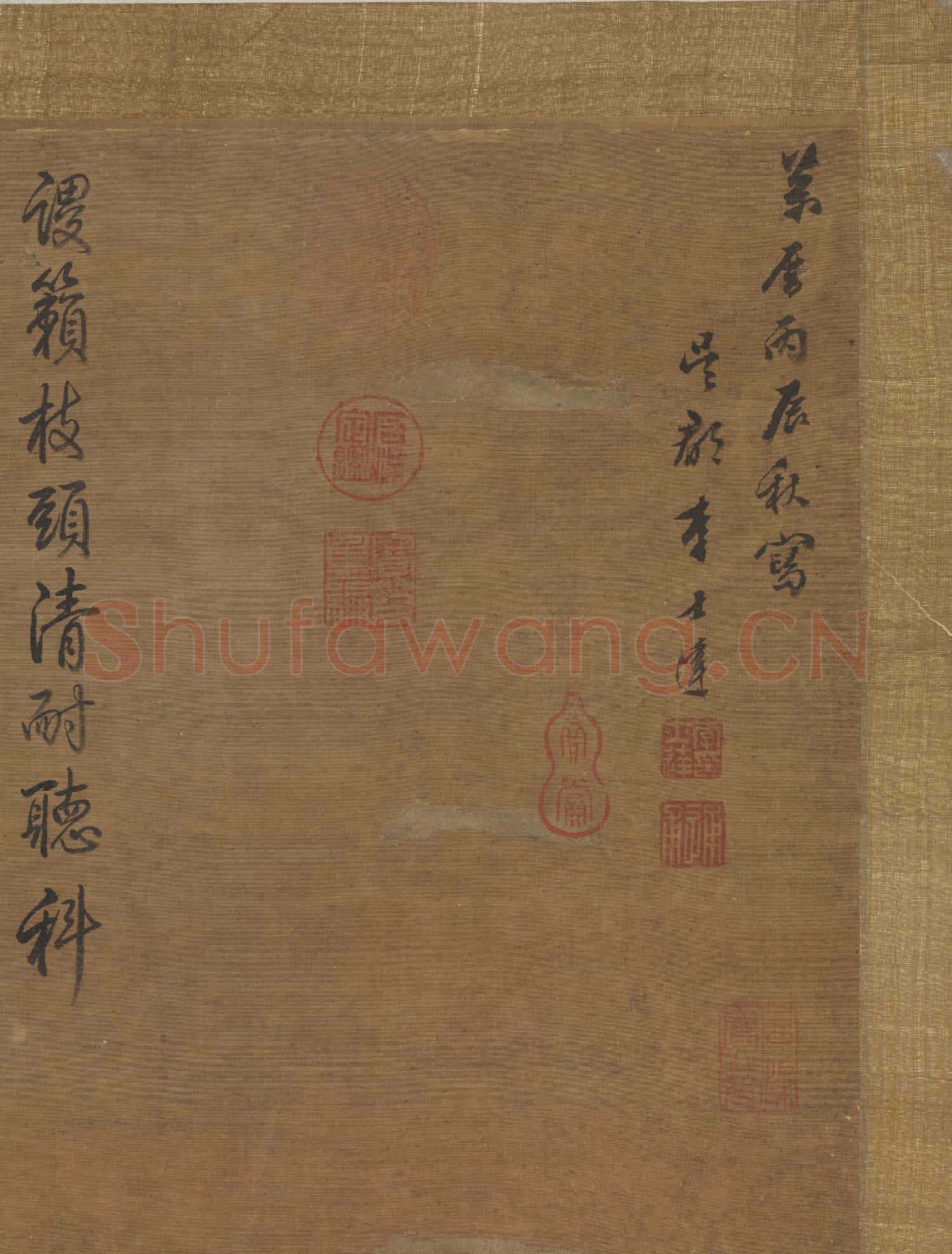
本幅:萬曆丙辰(西元一六一六年)秋寫。吳郡李士達。
行書
印記:李士達印、通甫
題跋
清高宗
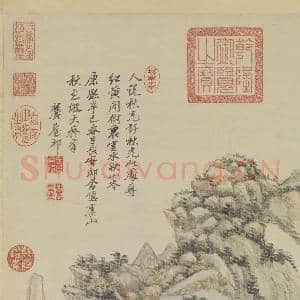
本幅:戊子季夏御題
行書
謖籟枝頭清耐聽。科頭箕踞欲忘形。長松定已千年閱。自課青童劚茯苓。戊子季夏御題。
印記:乾、隆
| 印記資料 | |
| 印記類別 | 印記 |
鑑藏寶璽:古希天子
鑑藏寶璽:乾隆御覽之寶
收傳印記:御賜忠孝堂長白山索氏珍藏
收傳印記:東平
收傳印記:阿爾喜普之印
收傳印記:信公珍賞
收傳印記:丹誠
收傳印記:宜爾子孫
收傳印記:琴書堂
收傳印記:都尉耿信公書畫之章
收傳印記:公
收傳印記:珍祕
收傳印記:耿會侯鑒定書畫之章
鑑藏寶璽:宣統御覽之寶
鑑藏寶璽:嘉慶御覽之寶
鑑藏寶璽:太上皇帝之寶
鑑藏寶璽:八徵耄念之寶
鑑藏寶璽:壽
鑑藏寶璽:五福五代堂古稀天子寶
鑑藏寶璽:乾隆鑑賞
鑑藏寶璽:石渠寶笈
鑑藏寶璽:三希堂精鑑璽
鑑藏寶璽:宜子孫
鑑藏寶璽:石渠定鑑
鑑藏寶璽:寶笈重編
鑑藏寶璽:乾清宮鑑藏寶
收傳印記:真賞
主題
主要主題
樹木
松
4株
其他主題
器用
飲食器
其他主題
器用
香爐.火盆
火盆
其他主題
器用
扇
其他主題
器用
文玩(琴棋書畫)
書
次要主題
花草
靈芝
主要主題
人物
高士(士人、隱士)
1人
主要主題
人物
侍從(侍女、童僕)
4人
其他主題
山水
江河、湖海
次要主題
山水
技法
工筆
寫意
皴法
披麻皴
人物衣紋描法(勻稱線條)
苔點
參考資料
收藏著錄:石渠寶笈續編(第一冊),頁434
收藏著錄:故宮書畫錄(卷五),第三冊,頁452
收藏著錄:故宮書畫圖錄,第九冊,頁21-22
參考書目
1.何傳馨,〈明李士達坐聽松風〉,收入何傳馨、許郭璜編,《夏景山水畫特展圖錄》(臺北:國立故宮博物院,1991年七月初版),頁104-105。
內容簡介(中文)
李士達(西元十七世紀),號仰懷,姑蘇人(現江蘇吳縣)。四棵高聳虯松,松下一士人雙手抱膝靠石而坐;二童子於茶爐前煽火烹茶,一蹲坐開解書卷,另一則於坡邊採芝。坡石上置有風爐、黃泥茶壺、朱漆茶托、白瓷茶盞、以及水甕等茶器。明人畫獨飲場景,或於草堂園林、或山林泉畔,意境幽美,遠離塵囂,品茗為樂。此畫設色清麗古樸,墨與色諧和,而朱紅茶托點綴,恰有畫龍點睛之妙。
內容簡介(英文)
Li Shih-ta, native to Soochow, did this work of 4 tall cypresses with a scholar underneath sitting as he clasps his knees. Two attendants are by a tea stove with one fanning flames to brew tea. Another crouches in front of a rolled bundle of scrolls and the other picks fungi by a slope. On the rocks are an open stove with a yellowish clay teapot, a red-lacquered tea bowl stand, white-glazed teacups, and a water container. Ming painters depicted solitary scenes of drinking tea either in garden huts or by wooded streams. Serene settings far from the bustle of towns and cities echoed the purity of tea. The archaic colors here harmonize with the ink tones, yet the red stand stands out enough to draw attention to the material aspects of Ming tea culture.
內容簡介(中文)
李士達(西元十七世紀),號仰懷,姑蘇人(現江蘇吳縣)。山水人物畫得很好。對畫的見解,體會的也很深。他說山水五美五惡。五美是指蒼、逸、奇、遠、韻。五惡是指嫩、板、刻、生、癡。 這幅畫,四棵老松,松枝偃仰,山水幽清。一人抱膝坐松石間,作凝目諦聽的樣子。四個童子各有所事:一個正在采芝,一個用巾捲著手卷的字或畫,另外兩個,一在烹茶,另外一侍立於旁。筆墨清奇,不襲前人風格,很有創見。
內容簡介(英文)
Li Shih-ta, sobriquet Yang-huai, was a native of Ku-su in present Kiangsu. Both his landscape and figure paintings are excellent; his opinions and comprehension of painting were very deep. He wrote of the five merits and five defects in painting landscapes: the five merits are defined as hoariness, ease, eccentricity, profoundness, and harmony; the five defects being weakness, stiffness, insensitivity, crudeness, and foolishness. The painting portrays four old pines, with branches bending down, in the midst of a pure and desolate landscape. One figure sits, arms around his knees, surrounded by pines and rocks. His eyes and ears seem fixed in concentration. Four servant boys are engaged in different activities. One is picking fungus, a second is wrapping a bundle of handscrolls in cloth, a third is making tea, and the last is simply standing in waiting. The brushwork is pure and unusual, not following earlier styles, and possessing great originality.
內容簡介(中文)
李士達(約西元一五五○─一六二一年),號仰懷,吳縣人(今江蘇蘇州)。萬曆二年(一五七四)進士,善作山水,於畫理亦有研究,曾論山水有五美、五惡,見解獨具。
本幅畫虯松四株,枝枒偃仰,景境幽奇。一文人抱膝坐松石間,作凝目諦聽狀。二童子於爐前煽火烹茶,一蹲坐解開書卷,另一則於坡邊採芝。通幅設色清麗古樸,置陳布勢,絕不蹈襲前人風格,極富創意。
(20121016)
內容簡介(英文)
Li Shida (sobriquet Yanghuai), native to Wuxian (modern Suzhou, Jiangsu), was a Presented Scholar of 1574 who excelled at landscape painting. Also learned in painting theory, he proposed unique ideas on the five merits and five defects in depicting landscapes. This work depicts 4 tall pines with canopies extending downwards in an unusual and secluded scene. A scholar underneath sits and clasps his knees gazing and listening carefully. Two attendants are by a tea stove with one fanning flames to brew tea. Another crouches in front of a bundle of scrolls, and the other picks fungi by a slope. The pure and archaic colors here harmonize with everything carefully arranged. Not following convention, Li Shida demonstrates great creativity.
(20121016)