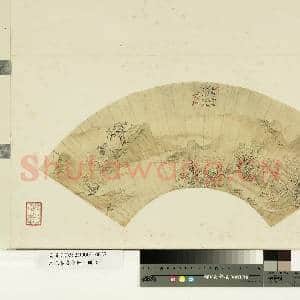
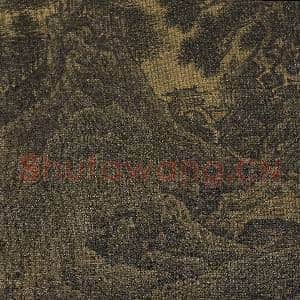
名称:宋贾师古大士像 轴
资源编号:GCSHTB00940
艺术家:贾师古
国家:中国
年代:宋代
出处:台北故宫
分类:书画
子类:绘画
类型:馆藏下载
格式:PNG
材质:纸
页码/数量:11幅
收藏位置:国立故宫博物院
文件大小:107.15 MB
压缩格式:rar
下载地址:网盘
专辑系列:台北故宫书画作品
备注说明:故画00009200000
资源截图预览
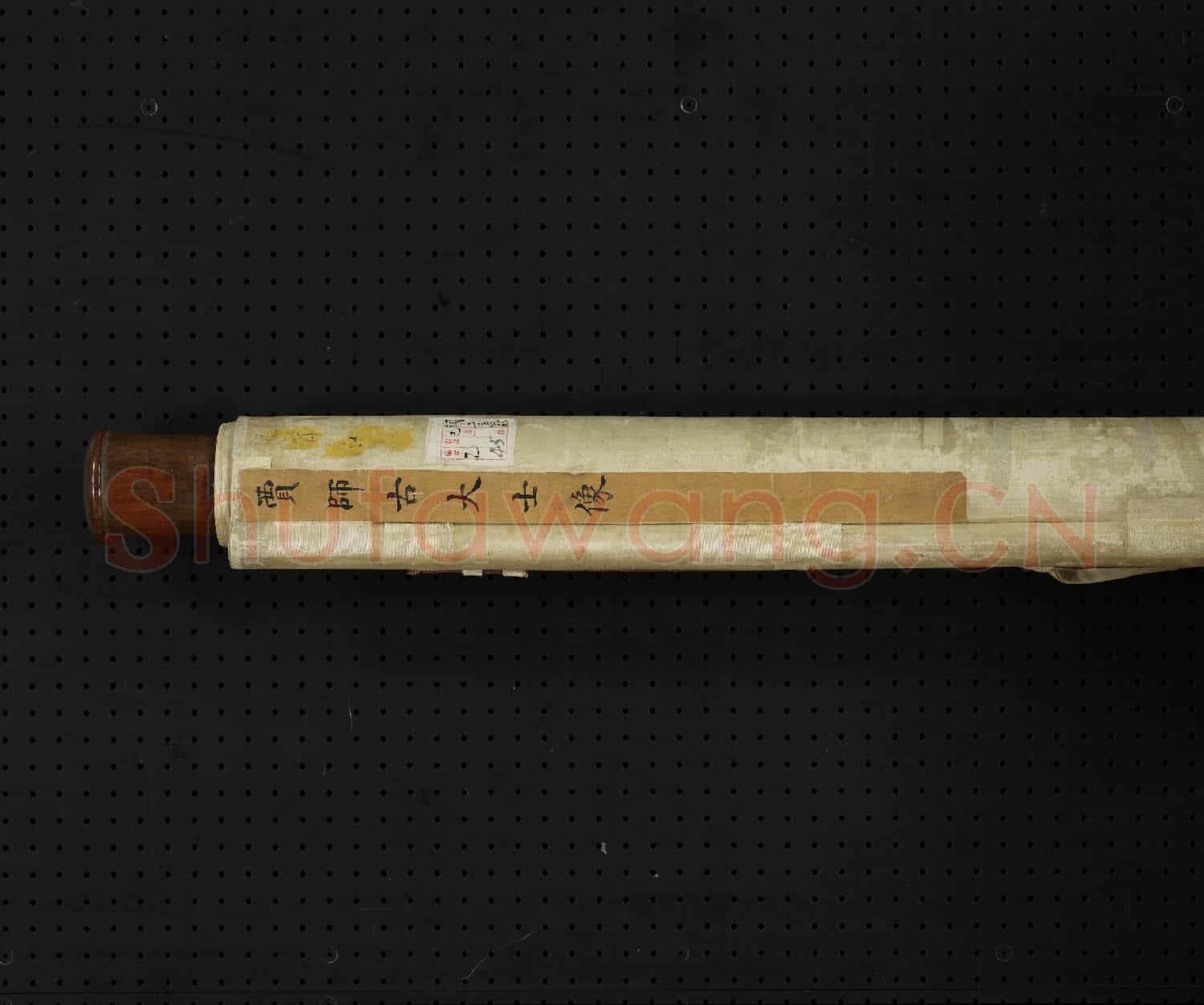
资源编号:GCSHTB00940
宋賈師古大士像 軸
宋贾师古大士像 轴
詳細資料
藏品類型:繪畫
文物統一編號
故畫000092N000000000
作品號:故畫00009200000
品名:宋賈師古大士像 軸
分類:繪畫
作者:賈師古
數量:一軸
典藏尺寸
本幅:42.2x29.8
質地
本幅:紙
| 題跋資料 | |||||
| 題跋類別 | 作者 | 位置 | 款識 | 書體 | 全文 |
作者款識
賈師古
本幅:師古
楷書
| 印記資料 | |
| 印記類別 | 印記 |
鑑藏寶璽:乾隆御覽之寶
鑑藏寶璽:乾隆鑑賞
鑑藏寶璽:祕殿珠林
鑑藏寶璽:三希堂精鑑璽
鑑藏寶璽:宜子孫
鑑藏寶璽:珠林重定
鑑藏寶璽:祕殿新編
鑑藏寶璽:乾清宮鑑藏寶
鑑藏寶璽:太上皇帝
鑑藏寶璽:嘉慶御覽之寶
鑑藏寶璽:宣統御覽之寶
鑑藏寶璽:無逸齋精鑑璽
鑑藏寶璽:宣統鑑賞
主題
主要主題
佛道人物
觀音
主要主題
山水
奇石
其他主題
器用
宗教器用
參考資料
收藏著錄:秘殿珠林續編(乾清宮),第一冊,頁78
收藏著錄:故宮書畫錄(卷五),第三冊,頁81-82
收藏著錄:故宮書畫圖錄,第二冊,頁91-92
參考書目
1.李玉珉,〈(傳)宋賈師古大士像〉,收入李玉珉主編,《觀音特展》(臺北:國立故宮博物院,2000年初版),頁191。
2.〈宋賈師古大士像〉,收入劉芳如主編,《書畫裝池之美》(臺北:國立故宮博物院,2008年初版一刷),頁58。
3.本社,〈賈師古大士像〉,《故宮文物月刊》,第27期(1985年6月),頁1。
內容簡介(中文)
觀音菩薩悠閒自在地靠在岩石上,手中淨瓶灑下的甘露化成一朵蓮花。觀音的輪廓和五官以細筆鉤畫,勻整細緻,衣紋線條粗細變化很大,強勁有力。根據畫上「師古」兩字的款題,過去認為這件畫軸是宋代賈師古(活動於1131-1162)的作品,可是畫中畫石的方法和明初的山水畫近似,應該是一幅明代畫家假借賈師古之名的作品。雖然如此,但他的繪畫技巧純熟,仍不失為一幅佛教畫的佳作。
內容簡介(英文)
Chia Shih-ku was a native of K'ai-feng, in Honan province. He served at the court painting academy during the Shao-hsing reign (1131-1162). A skilled painter of religious subject, Chia Shih-Ku followed the style of Li Kung-lin. His pai-miao (ink outline) figures have an untrammeled air. The bodhisattva, adorned with jewels, is seated on a rocky cliff. The water of Buddha-truth pours out from her vase and transforms into a lotus flower. Her manner is vary relaxed. Cliff rocks are modeled with axe-cut texture strokes ,and the brushstrokes are vigorous and unrestrained. The bodhisattva's hair and details of her face are all meticulously outlined ; the folds of her robes are distinctly executed with an angular brushline. The brush work within the painting is lively, full of variation , and nicely balanced.
內容簡介(英文)
Kuan-yin sits leaning on a rock as the water of Buddha-truth pours from the vase she is holding and transforms into a lotus blossom. The details of Kuan-yin are rendered with exceptionally fine brushwork. In contrast, the drapery lines vary considerably in thickness and are done with great force. Judging from the “Shih-ku” signature to the lower right of the figure, this work was considered at one point to have been painted by the Sung artist Chia Shih-ku. However, the treatment of the rocks is similar to landscape painting of the early Ming (l368-1644), indicating that the signature is a later addition. Nevertheless, the mature and skillful painting techniques still make this a masterpiece of Ming dynasty Buddhist art.