名称:无款太上渡关图 轴
资源编号:GCSHTB19404
国家:中国
出处:台北故宫
分类:书画
子类:绘画
类型:馆藏下载
格式:PNG
材质:绢
页码/数量:8幅
收藏位置:国立故宫博物院
文件大小:107.25 MB
压缩格式:rar
下载地址:网盘
专辑系列:台北故宫书画作品
备注说明:赠画00034200000
资源截图预览
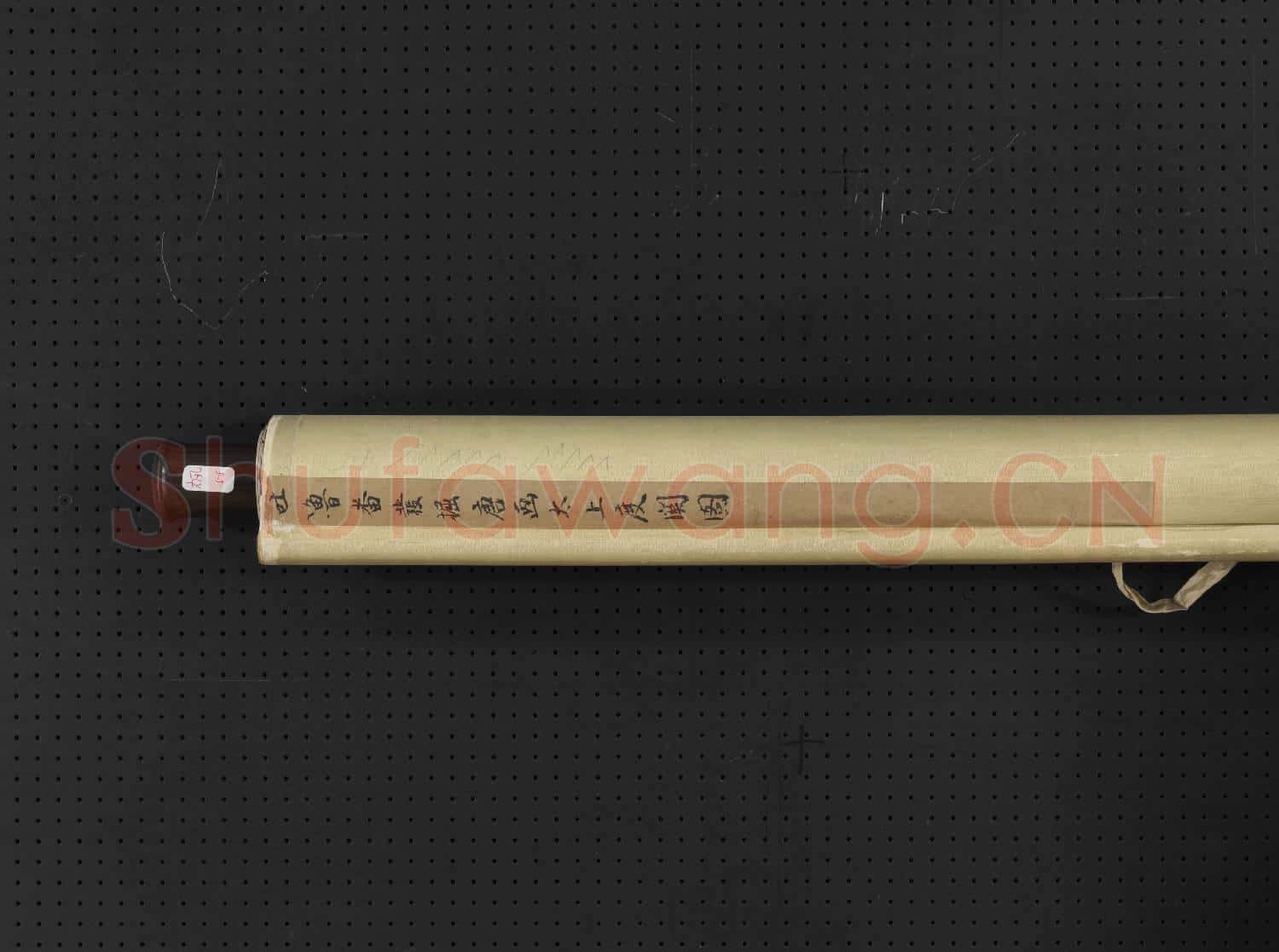
资源编号:GCSHTB19404
無款太上渡關圖 軸
无款太上渡关图 轴
詳細資料
藏品類型:繪畫
文物統一編號
贈畫000342N000000000
作品號:贈畫00034200000
品名:無款太上渡關圖 軸
分類:繪畫
數量:一軸
典藏尺寸
本幅:102 × 59.8
全幅:239.2 × 85.4
質地
本幅:絹
| 印記資料 | |
| 印記類別 | 印記 |
收傳印記:大風堂
主題
主要主題
佛道人物
道(道士、道姑)
老子
主要主題
人物
聖賢
老子
主要主題
經史‧故事
老子出關
次要主題
走獸
牛
次要主題
車
獸力車
其他主題
人物
車夫
其他主題
樹木
松
其他主題
花草
技法
人物衣紋描法(勻稱線條)
參考資料
收藏著錄:大風堂遺贈名跡特展圖錄,頁61、92-93
內容簡介(中文)
淺淡設色,畫老子乘牛車過函谷關。這張畫的構圖非常穩重,牛、牛車夫、李老君,描繪的都是正面,造形上尤其顯現出雄偉的氣勢。格調上也有一種高古的韻味。唐代時國勢興盛,表現於畫上的也常常具有一種恢宏廣博的氣勢,這一幅畫原籤標明出土於吐魯蕃,為大風堂遺贈書畫。
內容簡介(英文)
The painter has used light colors to create this scene of Lao-tzu riding in an ox-drawn cart through the Han-ku Pass. The composition is extremely stable; the ox, driver, and Lao-tzu are all depicted frontally and their forms seem almost majestic. The painting has an antique flavor. The T'ang dynasty was a period of national splendor, and paintings of the period often reflect this with their spacious and robust style. The original label of this painting explains that it was dug up in Turfan (western China). It was bequeathed to the museum with the Ta-feng T'ang collection belonging to Chang Ta-ch'ien.
內容簡介(中文)
本幅無款,畫老子乘牛車過函谷關遇關令尹喜的故事。全作設色古雅,人物的輪廓和衣紋都以鐵線描畫成,線條勻整。幅中牛隻的造型與韓滉(西元七二三—七八七年)〈五牛圖〉相近。同時,佈景簡潔,僅在牛車的兩側畫樹兩株和草數叢。全作雖然狀似古樸,不過畫中老子大鼻長髯,與捐贈者張大千的形貌有幾分神似。張氏乃仿古名家,推測此幀或許就是出自張大千之手。
內容簡介(英文)
This work bearing no seal or signature of the artist depicts the story of the ancient philosopher Laozi riding an ox-cart through the Hangu Pass, where he met the keeper Yin Xi. With archaic and classical coloring, the figures’ outlining and drapery lines are done with even “iron-wire” strokes. The form of the ox here is close to that in “Five Oxen” by Han Huang (723-787). The composition is also simple, with only two trees and clumps of grass on either side of the ox-cart. Though appearing archaic, the facial features and long beard of Laozi actually resemble those of the person who donated this work to the National Palace Museum, Chang Dai-chien. He was renowned in art circles for his ability to faithfully copy ancient paintings, so this work may have also come from Chang’s hand as well.