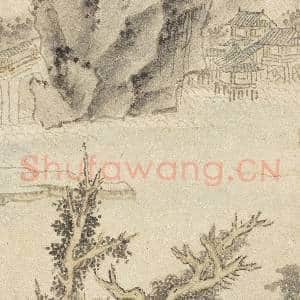
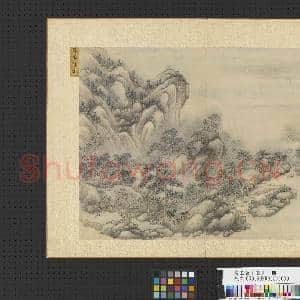
名称:清王翚仿倪瓒画山水 轴
资源编号:GCSHTB06048
艺术家:王翚
国家:中国
年代:清圣祖康熙十一年(1672)
出处:台北故宫
分类:书画
子类:绘画
类型:馆藏下载
格式:PNG
材质:纸
页码/数量:8幅
收藏位置:国立故宫博物院
文件大小:81.23 MB
压缩格式:rar
下载地址:网盘
专辑系列:台北故宫书画作品
备注说明:故画00239700000
资源截图预览
资源编号:GCSHTB06048
清王翬倣倪瓚畫山水 軸
清王翚仿倪瓒画山水 轴
詳細資料
藏品類型:繪畫
文物統一編號
故畫002397N000000000
作品號:故畫00239700000
品名:清王翬倣倪瓚畫山水 軸
分類:繪畫
作者:王翬
創作時間:清聖祖康熙十一年(1672)
數量:一軸
典藏尺寸
本幅:46.1x34.6
質地
本幅:紙
| 題跋資料 | |||||
| 題跋類別 | 作者 | 位置 | 款識 | 書體 | 全文 |
作者款識
王翬
本幅:倪高士初名珽。字宗率更。畫亦大異。與晚年如出兩手。余客嘉禾。見其少時所作。摹其大槩。以存倪畫一種。壬子(西元一六七二年)十月三日。在毘陵楊氏之近園。剪燈并識。石谷。
楷書
印記:王翬
題跋
方咸
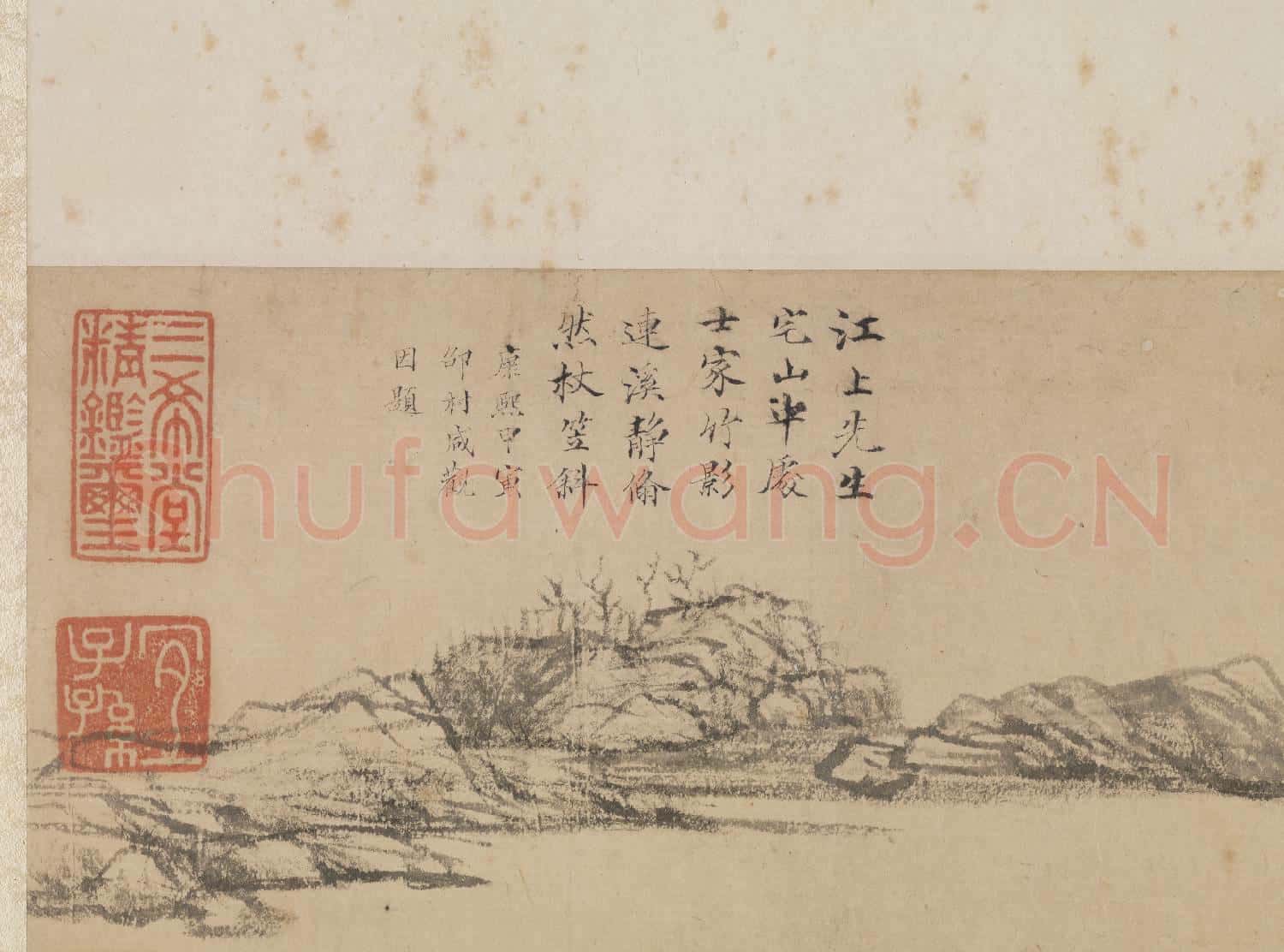
本幅:康熙甲寅。邵村咸觀因題。
楷書
江上先生宅。山中處士家。竹影連溪靜。翛然杖笠斜。康熙甲寅。邵村咸觀因題。
| 印記資料 | |
| 印記類別 | 印記 |
鑑藏寶璽:乾隆御覽之寶
鑑藏寶璽:宣統御覽之寶
鑑藏寶璽:嘉慶御覽之寶
鑑藏寶璽:乾隆鑑賞
鑑藏寶璽:石渠寶笈
鑑藏寶璽:三希堂精鑑璽
鑑藏寶璽:宜子孫
鑑藏寶璽:石渠定鑑
鑑藏寶璽:寶笈重編
鑑藏寶璽:御書房鑑藏寶
主題
主要主題
山水
主要主題
樹木
竹
其他主題
建築
房舍
其他主題
建築
欄杆
其他主題
建築
塔
其他主題
建築
水榭
其他主題
樹木
寒林.枯樹
枯樹
其他主題
人物
高士(士人、隱士)
其他主題
樹木
其他主題
山水
石磴、棧道
石磴
其他主題
山水
江河、湖海
江河
技法
寫意
皴法
披麻皴
皴法
折帶皴
苔點
參考資料
收藏著錄:石渠寶笈續編(御書房),第四冊,頁2095
收藏著錄:故宮書畫錄(卷八),第四冊,頁93
收藏著錄:故宮書畫圖錄,第十冊,頁113-114
內容簡介(中文)
王翬(西元一六三二-一七一七年),江蘇常熟人。字石谷,號耕煙散人、清暉主人,又稱烏目山人、劍門樵客。幼嗜畫,運筆構思,迴出時流。石谷神悟力學,又親受王時敏、王鑑教導,遂為一代名家。
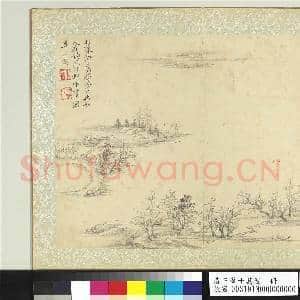
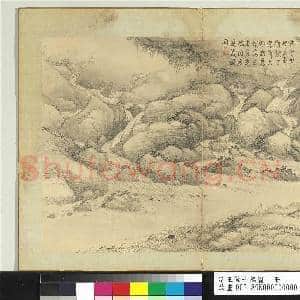
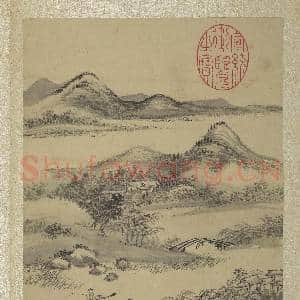
此幅山水筆墨取法於倪瓚,山石土坡用乾筆淡墨勾皴,並以側峰點出苔點;巖石間修竹叢生,迎風搖曳。山林間又添進一個策杖而行之文人為點景,增添生動之意。雖言追法倪瓚,然筆墨凝重,寓渾厚滋潤於清簡淡遠之中,亦自具面目。
內容簡介(英文)
Wang Hui (style name Shih-ku; sobriquets Keng-yen san-jen and Ch’ing-hui chu-jen; also called Wu-mu Shan-jen and Chien-men ch’iao-k’e) was a native of Ch’ang-shu, Kiangsu. Wang Hui often painted in his childhood. Both in brushwork and composition, he surpassed the fashions of his time. Wang Hui was intelligent by nature and studied diligently. He received the personal guidance of Wang Shih-min and Wang Chien, whom Wang Hui surpassed to become the most famous painter of his time.
In this painting, Wang Hui has taken the methods of Ni Tsan (1301-1374) for depicting the mountains, rocks, and earthy hillocks by using dry brushwork, light ink, and angular texture strokes. In addition, Wang Hui used a slanted brush tip for depicting the “moss” dots. Among the craggy rocks are tall and luxuriant bamboo which gently bend in the wind. A literatus can be seen holding a staff as he strolls in the mountain forest, thus adding a sense of animation as he intrudes upon the scene. Although Wang Hui wrote in his inscription that he followed the methods of Ni Tsan, Wang’s style of rich and moist brushwork appears adorned and heavy as it contrasts with the pure simplicity and light profundity of that of Ni Tsan. This painting thus also reflects Wang Hui’s own style.