名称:宋人画佛像 轴
资源编号:GCSHTB01382
国家:中国
年代:宋代
出处:台北故宫
分类:书画
子类:绘画
类型:馆藏下载
格式:PNG
材质:绢
页码/数量:18幅
收藏位置:国立故宫博物院
文件大小:223.21 MB
压缩格式:rar
下载地址:网盘
专辑系列:台北故宫书画作品
备注说明:故画00186400000
资源截图预览
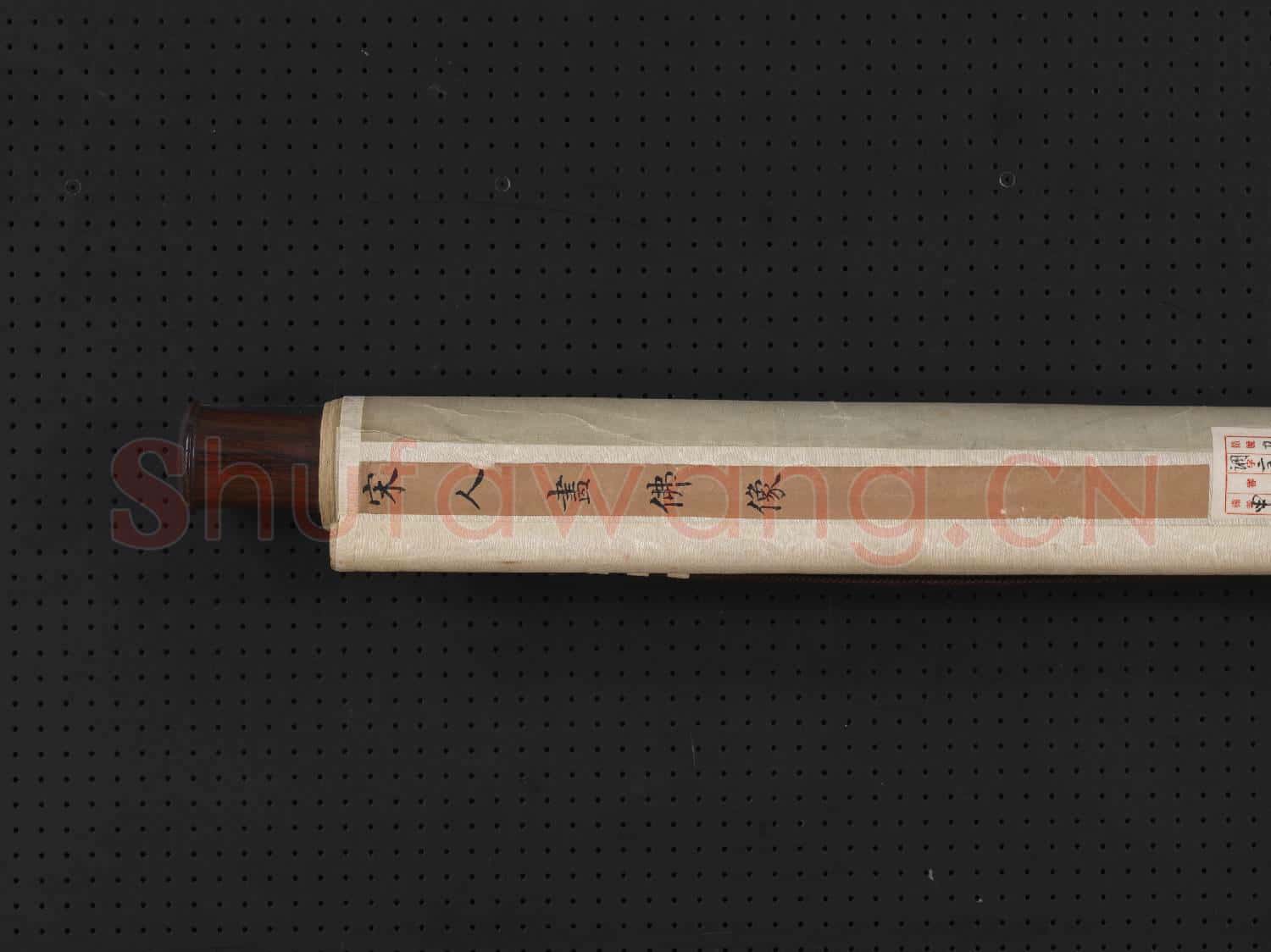
资源编号:GCSHTB01382
宋人畫佛像 軸
宋人画佛像 轴
詳細資料
藏品類型:繪畫
文物統一編號
故畫001864N000000000
作品號:故畫00186400000
品名:宋人畫佛像 軸
分類:繪畫
數量:一軸
典藏尺寸
本幅:143.7x81.5
質地
本幅:絹
| 印記資料 | |
| 印記類別 | 印記 |
鑑藏寶璽:乾隆御覽之寶
鑑藏寶璽:乾隆鑑賞
鑑藏寶璽:秘殿珠林
鑑藏寶璽:三希堂精鑑璽
鑑藏寶璽:宜子孫
鑑藏寶璽:秘殿新編
鑑藏寶璽:珠林重定
鑑藏寶璽:乾清宮鑒藏寶
鑑藏寶璽:太上皇帝
鑑藏寶璽:嘉慶御覽之寶
鑑藏寶璽:宣統御覽之寶
主題
主要主題
佛道人物
菩薩
主要主題
佛道人物
佛道侍者
主要主題
佛道人物
神、仙
主要主題
佛道人物
天龍八部
其他主題
山水
雲
其他主題
走獸
其他主題
走獸
龍
其他主題
翎毛
其他主題
器用
宗教器用
幡
其他主題
器用
兵器
技法
人物衣紋描法(勻稱線條)
參考資料
收藏著錄:秘殿珠林續編(乾清宮),頁90
收藏著錄:故宮書畫錄(卷八),第四冊,頁60
收藏著錄:故宮書畫圖錄,第三冊,頁175-176
內容簡介(中文)
諸天各持法器,隨從騎乘護持,皆側身向右,坐立於虛空雲端,或原為一組佛畫其中一幅,描繪諸天恭聆佛陀說法的法會盛況。三面六臂的力士,殆為八部中天部的阿修羅﹔持劍的武士群及貌美的女眾,則為十二天之一的羅剎與羅剎女,原皆異教鬼神,後被收服成為佛教的護法。全幅丹青彩繪,薄施暈染,畫諸天肌肉賁張,衣袖卷摺飄舉,多用蘭葉描法,飛動傳神之姿,是傳承吳道子以來的職業畫家畫風。描金鉤畫衣紋圖案,敷色亦多處泥金,益顯富麗堂皇。就畫風觀之,疑似十五世紀明代的作品。
內容簡介(英文)
Each of the devas depicted here grasp implements in worship, and are followed by protector servants who sidle on the right. Set in a void among clouds, the work may at one point have been part of a larger Buddhist painting, and presents a grand assemblage respectfully listening to Buddha expound the law. The three-faced, six-armed male figure in the middle-left is Asura, formerly a demon who waged war with gods; warriors holding swords and groups of beautiful women surround Raksasa and Raksasi, formerly two female demons. Originally pagan ghosts and spirits, these figures were later figures were later converted into protectors of the Buddhist truth. This entire work is painted in different pigments, with wash applied lightly. The muscles of the devas are lavishly adorned, their sleeves curled and plaited as if blowing in the wind. With the employment of a technique in which lines are painted to resemble orchid leaves, the artists has captured the manner of flying spirits, a style commonly used by painters after Wu Tao-tzu. By applying gold on the outlines and patterns of decoration on the clothes, the artist has increased the richness and beauty of the work. Because of the visible style of this painting, it is suspected that this work dates to the mid Ming period.