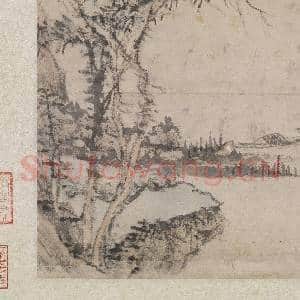
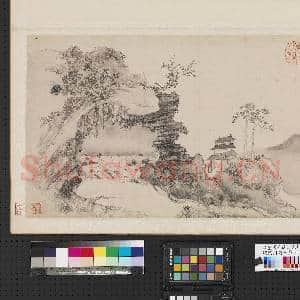
名称:明沈周金粟晚香图 轴
资源编号:GCSHTB05831
艺术家:沈周
国家:中国
年代:明代
出处:台北故宫
分类:书画
子类:绘画
类型:馆藏下载
格式:PNG
材质:纸
页码/数量:8幅
收藏位置:国立故宫博物院
文件大小:72.16 MB
压缩格式:rar
下载地址:网盘
专辑系列:台北故宫书画作品
备注说明:故画00215800000
资源截图预览
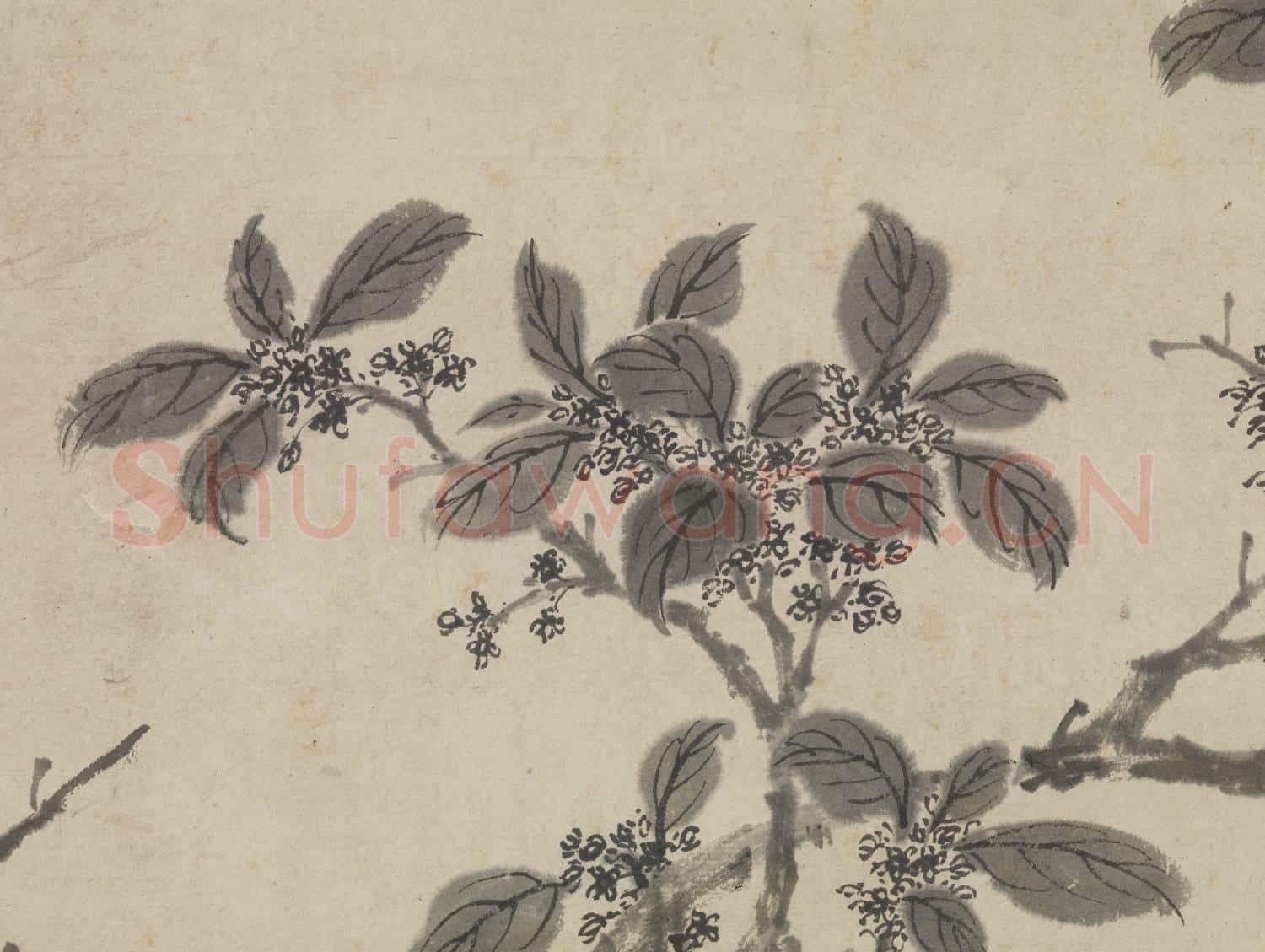
资源编号:GCSHTB05831
明沈周金粟晚香圖 軸
明沈周金粟晚香图 轴
詳細資料
藏品類型:繪畫
文物統一編號
故畫002158N000000000
作品號:故畫00215800000
品名:明沈周金粟晚香圖 軸
分類:繪畫
作者:沈周
數量:一軸
典藏尺寸
本幅:102.3x38
質地
本幅:紙
| 題跋資料 | |||||
| 題跋類別 | 作者 | 位置 | 款識 | 書體 | 全文 |
作者款識
沈周
本幅:一樹黃金粟。秋風吹晚香。姮娥親折得。贈與少年郎。沈周。
行書
印記:啟南、石田
| 印記資料 | |
| 印記類別 | 印記 |
收傳印記:張靜齋珍玩圖書記
收傳印記:燕平張氏家藏
鑑藏寶璽:乾隆御覽之寶
鑑藏寶璽:御書房鑑藏寶
鑑藏寶璽:宣統御覽之寶
鑑藏寶璽:嘉慶御覽之寶
收傳印記:靜遠堂印
收傳印記:平州珍賞
鑑藏寶璽:乾隆鑑賞
鑑藏寶璽:石渠寶笈
鑑藏寶璽:三希堂精鑑璽
鑑藏寶璽:宜子孫
主題
主要主題
花草
桂花
技法
寫意
參考資料
收藏著錄:石渠寶笈初編(御書房),下冊,頁1123
收藏著錄:故宮書畫錄(卷八),第四冊,頁78
收藏著錄:故宮書畫圖錄,第六冊,頁277-278
內容簡介(中文)
沈周(西元一四二七-一五○九年),為江蘇吳縣人,明大吳派繪畫的開創者,畫風影響後世頗大。水墨畫桂花一枝,花葉枝幹穿插有致,墨色深淺搭配亦中規中矩。惟就畫風水準與款題印章,當為晚出臨仿之作。題詩:「一樹黃金粟,秋風春吹晚香。姮娥親折得,贈與少年郎。」古代科舉制度,鄉試是在農曆八月,因此又稱秋闈,八月當令的花是桂花,折桂花相贈,含意是祝福科考高中。明朝人常有此習慣,如本院藏唐寅<嫦娥奔月圖>,題詩:「自是嫦娥愛才子,桂花折與最高枝。」也是引用同一典故。
內容簡介(英文)
Shen Chou went by the style name Ch’i-nan and the sobriquet Shih-t’ien, and he also called himself Pai-shih-weng. A native of Ch’ang-chou, Kiangsu, he was the son of the scholar-artist Shen Heng-chi (1409-1477). His paintings of landscapes, flowers, birds, and fish were all divine. He also excelled at calligraphy and poetry, being known as one of the Four Masters of the Ming.
In this painting of branch of cassia blossoms in monochrome ink, flowers and leaves criss-cross, and the lighter and darker tones of ink are regulated throughout. Judging from the style of the painting and the signature, this work appears to be a later copy. In traditional China, the civil service examinations were first held in the countryside in the eighth lunar month, thus becoming known as the “Halls of Autumn” (i.e., “The Gates of Success”). The blossom associated with the eighth month is the cassia, the gift of which to an exam candidate represented a wish for good luck in achieving success. This was common in the Ming dynasty, as seen in the painting “Ch’ang-o Ascending to the Moon” by T’ang Yin (1470-1523), the inscription on which reads, “Ever since, Ch’ang-o was fond of the talented scholar, presenting a branch of cassia for the one with the highest [score].” In that painting, the goddess of the moon appears with the autumn moon and a cassia tree.