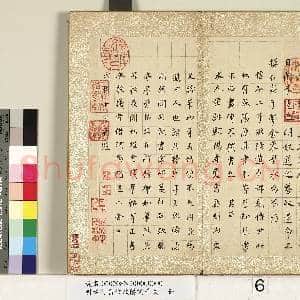
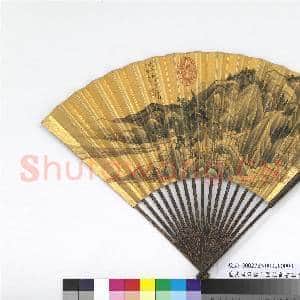
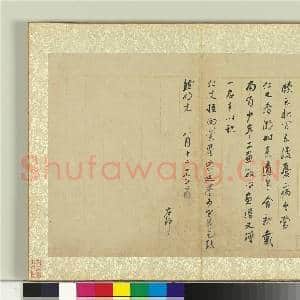
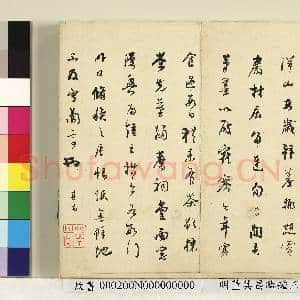
名称:明董其昌仿米潇湘白云 轴
资源编号:GCSHTB05969
艺术家:董其昌
国家:中国
年代:明代
出处:台北故宫
分类:书画
子类:绘画
类型:馆藏下载
格式:PNG
材质:绢
页码/数量:7幅
收藏位置:国立故宫博物院
文件大小:84.77 MB
压缩格式:rar
下载地址:网盘
专辑系列:台北故宫书画作品
备注说明:故画00231200000
资源截图预览
资源编号:GCSHTB05969
明董其昌仿米瀟湘白雲 軸
明董其昌仿米潇湘白云 轴
詳細資料
藏品類型:繪畫
文物統一編號
故畫002312N000000000
作品號:故畫00231200000
品名:明董其昌仿米瀟湘白雲 軸
分類:繪畫
作者:董其昌
數量:一軸
典藏尺寸
本幅:123.2x51.9
質地
本幅:絹
| 題跋資料 | |||||
| 題跋類別 | 作者 | 位置 | 款識 | 書體 | 全文 |
作者款識
董其昌
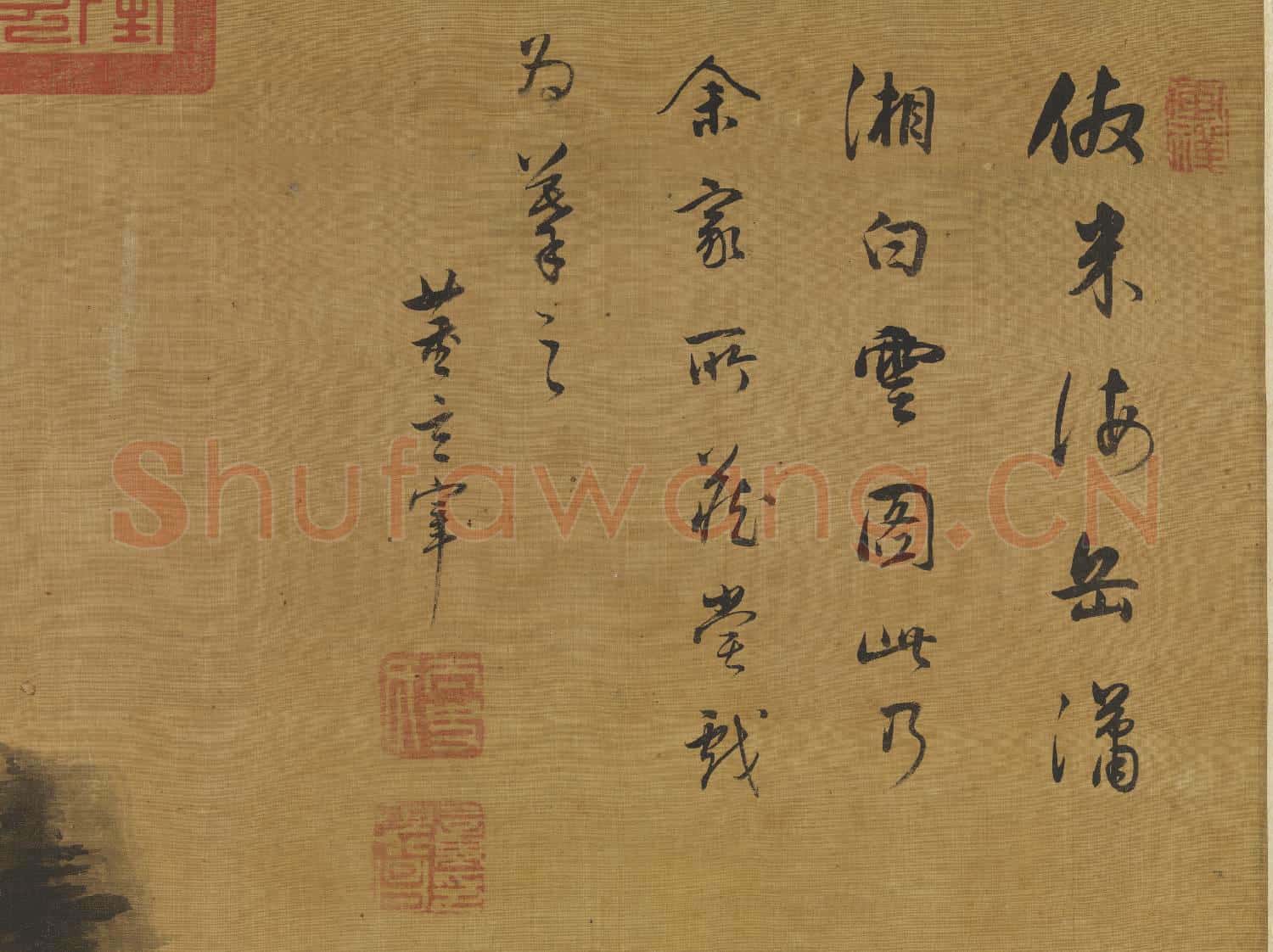
本幅:倣米海岳瀟湘白雲圖。此乃余家所藏。嘗戲為摹之。董玄宰。
行書
印記:太史氏、董其昌印、畫禪
| 印記資料 | |
| 印記類別 | 印記 |
鑑藏寶璽:乾隆御覽之寶
鑑藏寶璽:嘉慶御覽之寶
鑑藏寶璽:宣統御覽之寶
鑑藏寶璽:養心殿鑑藏寶
鑑藏寶璽:石渠寶笈
主題
主要主題
山水
其他主題
建築
水榭
其他主題
建築
橋
其他主題
建築
籬笆、圍牆
籬笆
次要主題
建築
房舍
其他主題
樹木
楊柳
其他主題
樹木
次要主題
山水
江河、湖海
江河
技法
寫意
皴法
披麻皴
皴法
米點皴
苔點
參考資料
收藏著錄:石渠寶笈初編(養心殿),上冊,頁662
收藏著錄:故宮書畫錄(卷八),第四冊,頁87
收藏著錄:故宮書畫圖錄,第八冊,頁243-244
內容簡介(中文)
董其昌(西元一五五五-一六三六年),江蘇華亭人。字玄宰,號思白。萬曆十六年進士。官至禮部尚書。善書法、行草。畫山水,宗北苑、巨然,亦集取宋元諸家長處。倡南北宗論,以南宗為正統。富收藏而尤精于鑒賞,曾著《容臺集》、《畫旨》、《畫禪室隨筆》諸書。對於後代的畫論及藝術發展影響甚鉅。
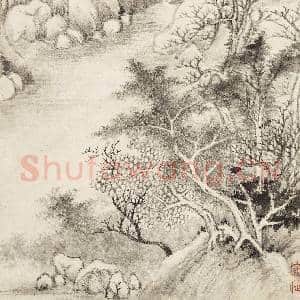
墨畫雲山數疊,喬林坡陀。通幅筆墨蒼厚腴潤,無論山皴、葉塊,皆神氣暢朗、秀潤蒼鬱。雖名仿摹,展現卻為己貌。
內容簡介(英文)
Tung Ch’i-ch’ang (style name Hsuan-tsai; sobriquet Ssu-po) was a native of Hua-t’ing in Kiangsu, who received his chin-shih civil service degree in 1588. He ultimately became President of the Board of Rites. Tung Ch’i-ch’ang excelled at calligraphy, particularly running and cursive scripts. In landscape painting he followed the school of Tung Yuan (d. 962) and Chu-jan (fl. ca. 960-980) while also selectively studying the styles of various Sung (960-1279) and Yuan (1279-1368) dynasty painters. Tung Ch’i-ch’ang promoted the theory of Northern and Southern Schools, considering the latter one as orthodox. He possessed a large art collection and was particularly skilled at connoisseurship. He is the author of several books, such as The Jung-t’ai Literary Collection, Hua-chih (Points on Painting), and Miscellaneous Notes from the Hua-ch’an Studio. Tung Ch’i-ch’ang had an extraordinary influence on the development of later painting theories and art.
Depicted in this painting are multiple ridges of cloudy mountains with forests, hills, and other rugged terrain. The style of brushwork throughout the painting is dense, rich, and moist. Both the texture strokes for the mountains and clumps of leaves are energetic, elegant, and luxuriant. Although the title indicates the painting was done in imitation, the work reflects Tung Ch’i-ch’ang’s own style.